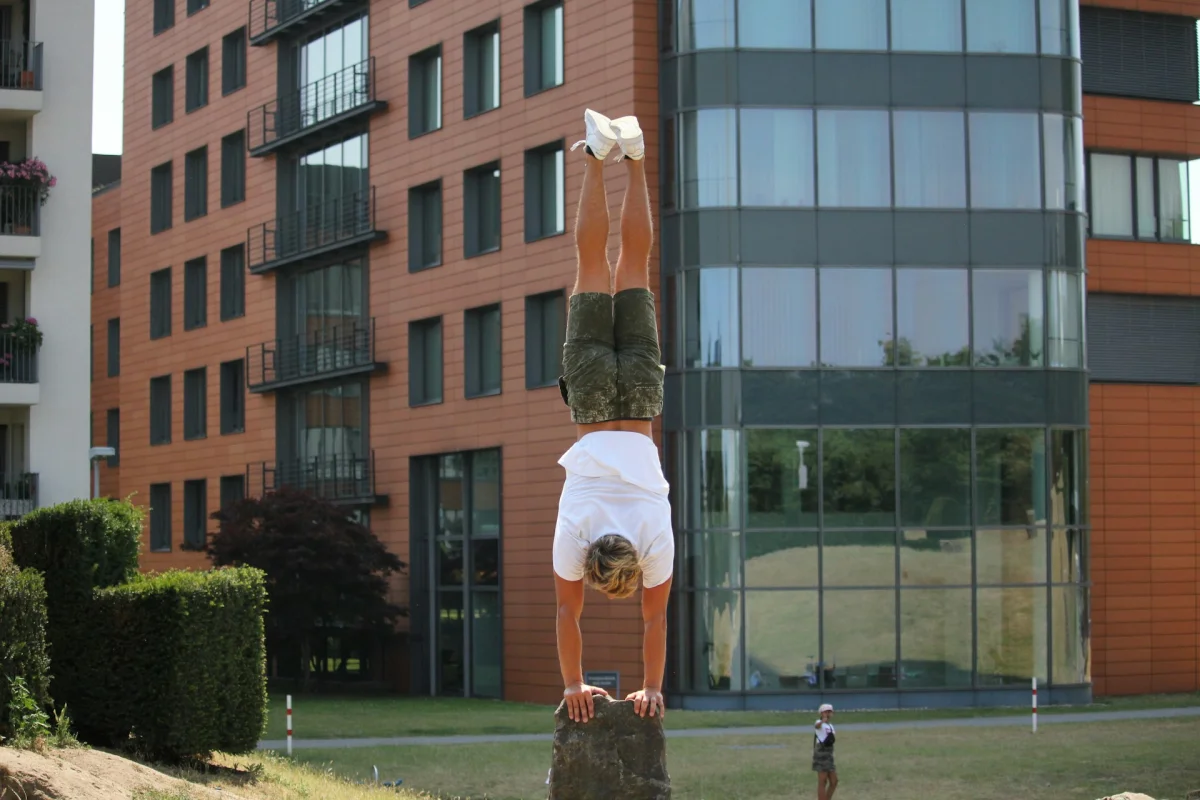
Workouts without equipment, also known as bodyweight training or calisthenics, are enjoying an increasingly growing popularity. They provide a simple and accessible method to stay fit without relying on expensive gyms or equipment. This blog discusses the benefits of such exercises and highlights scientific findings. Additionally, practical tips and specific exercise examples are presented to facilitate the initiation process.
Why Are Workouts Without Equipment So Popular?
Workouts without equipment are not only flexible and cost-effective, but they also promote a sustainable lifestyle. They require no special resources, making them an ideal choice for environmentally conscious individuals. Furthermore, they allow for personalized adaptation to one's fitness level, making them suitable for both beginners and advanced practitioners. With the rising popularity of home workouts and outdoor fitness, these exercises prove to be future-proof and effective.
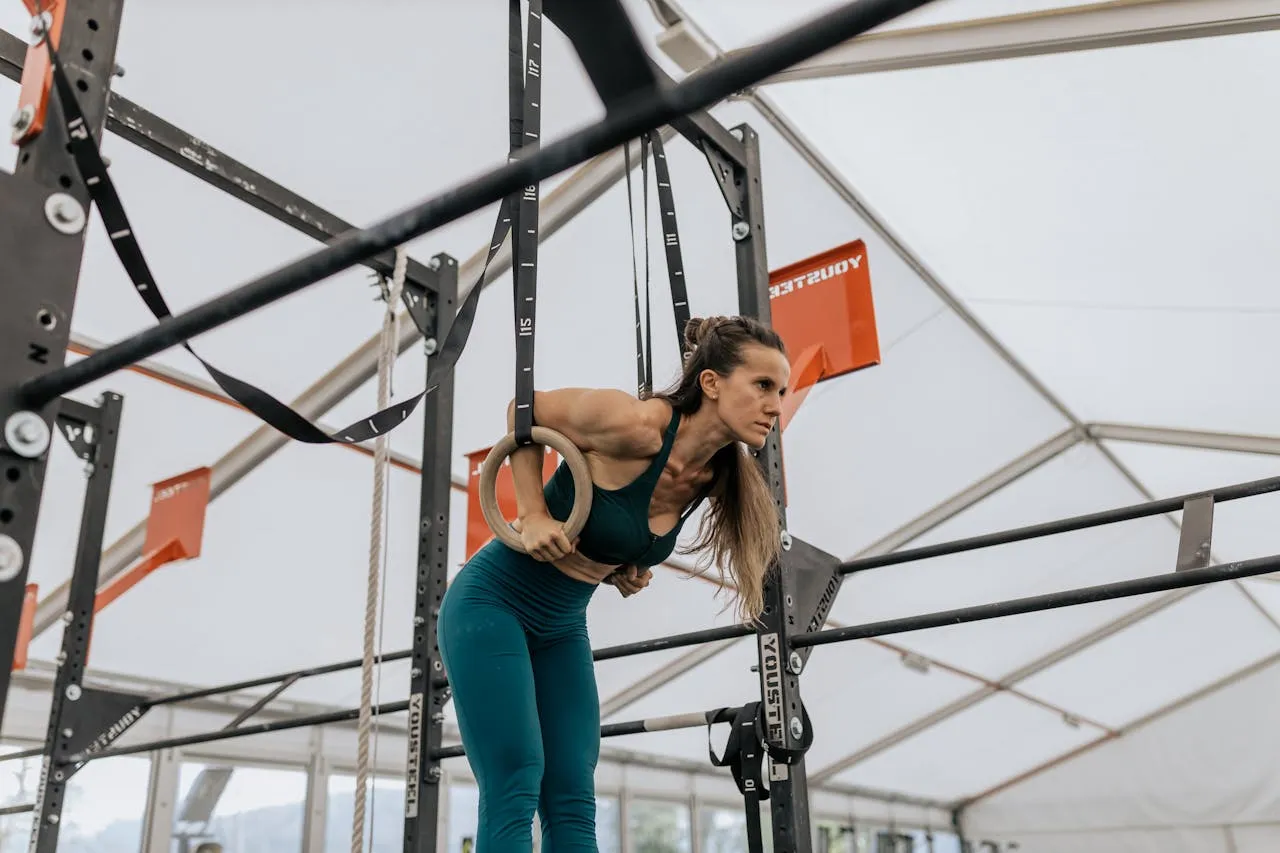
Benefits of Workouts Without Equipment
Flexibility and Accessibility Workouts without equipment can be performed anytime and anywhere – whether in the living room, in the park, or even while traveling. Since no equipment is needed, they are ideal for individuals with a busy schedule or those who prefer spontaneous workouts.
Cost Savings As memberships to gyms and expensive equipment are unnecessary, bodyweight training offers a cost-effective alternative. This presents a significant advantage, especially during economically challenging times.
Holistic Training Many exercises simultaneously engage multiple muscle groups. For example, push-ups not only benefit the chest muscles but also the triceps, shoulders, and abdominal muscles. This leads to a balanced physical development and also improves coordination.
Low Injury Risk The use of one's body weight encourages natural movement patterns, which reduces the risk of overuse or postural injuries. This particularly offers beginners a safe way to dive into the world of training.
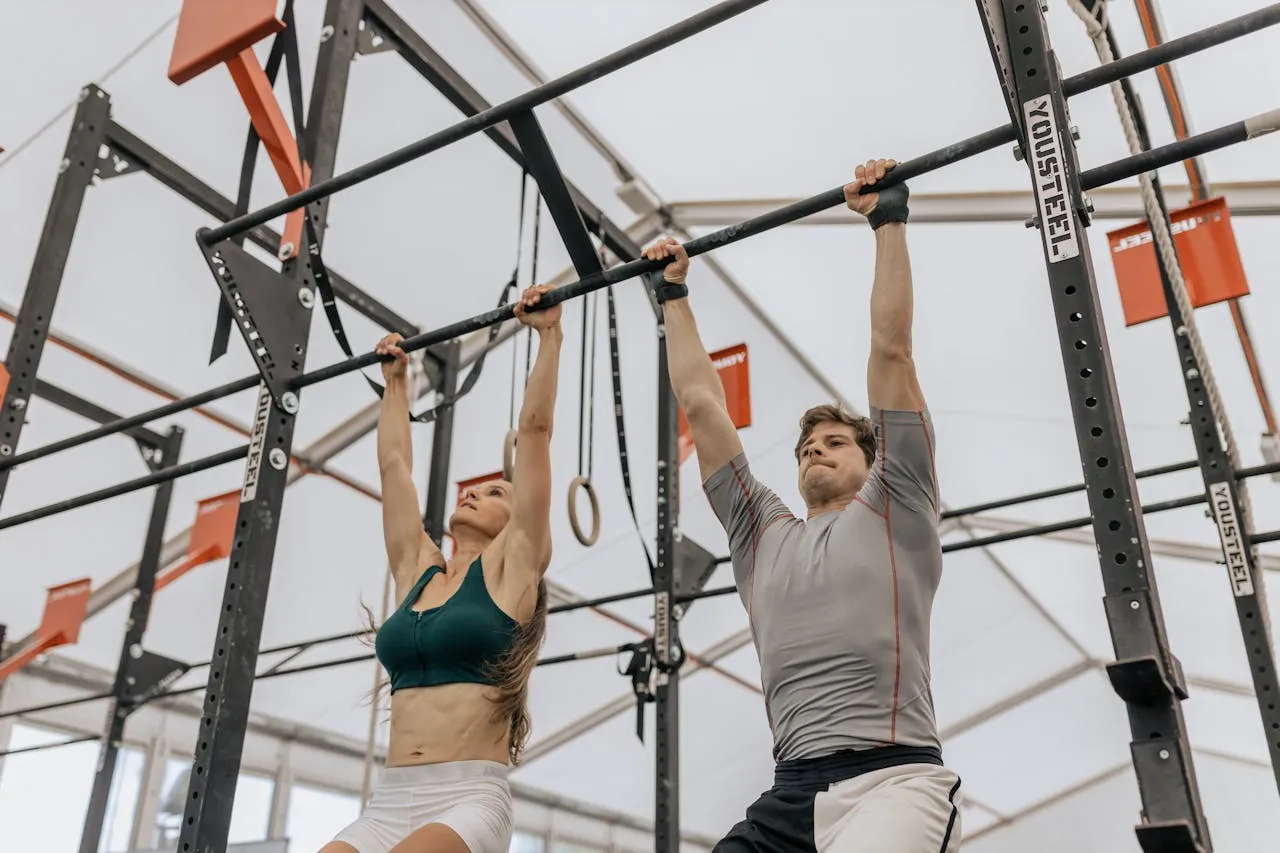
Scientifically Proven Benefits A study by Thompson et al. (2020) showed that bodyweight training can be as effective as machine training when it comes to muscle building and improving cardiovascular health. Fong et al. (2018) also highlighted the positive effects on balance and flexibility. Interestingly, research by Schoenfeld et al. (2019) indicated that even high-intensity bodyweight workouts (e.g., burpees) can maximize fat burning.
Long-term studies, such as those by Smith and colleagues (2021), have further demonstrated that regular calisthenics exercises can improve bone density, especially in older adults. This makes workouts without equipment particularly appealing to an older demographic.

Exercises and Variations
| Exercise | Muscle Groups | Difficulty Level | Variations |
|---|---|---|---|
| Push-Ups | Chest, Shoulders, Arms | Easy to Advanced | Diamond Push-Ups, One-Arm Push-Ups |
| Squats | Legs, Glutes | Easy to Moderate | Sumo Squats, Jump Squats |
| Plank | Abdominals, Back | Easy to Advanced | Side Plank, Plank with Leg Lift |
| Lunges | Legs, Glutes | Moderate | Walking Lunges, Jump Lunges |
| Mountain Climbers | Abdominals, Shoulders | Moderate | Slow Climbers, Cross-Body Climbers |
| Burpees | Full Body | Moderate to Advanced | Modified Burpees, Burpees with Push-Up |
| Bridges | Glutes, Lower Back | Easy | Single-Leg Bridges, Dynamic Bridges |
| Superman | Back, Glutes | Easy to Moderate | Superman with Arm Lift, Hold Position |
This table provides just a glimpse into the variety of exercises that can be performed without equipment. Through variations and progressions, these can be adapted to any individual fitness level. Beginners should start with basic exercises and gradually increase intensity, while advanced practitioners can challenge themselves with more intense variations and shorter breaks.
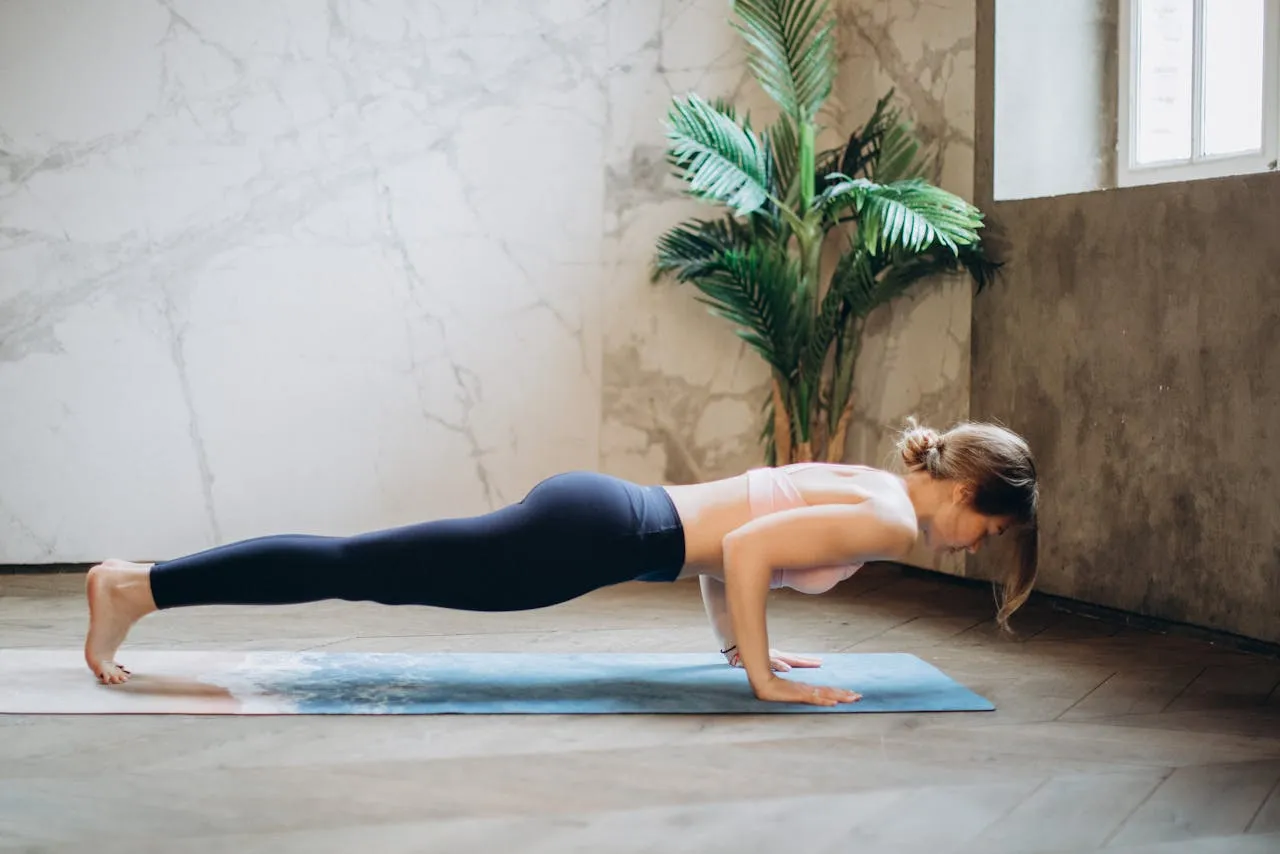
Tips for Getting Started
Warm-Up: A 5 to 10-minute warm-up, such as light jumping rope or jogging in place, prepares the muscles optimally.
Technique Before Speed: It is of utmost importance to learn the correct technique before increasing intensity or speed.
Regularity: To make progress, at least three sessions per week should be planned.
Set Goals: Concrete goal settings, such as “30 push-ups in a row” or “3 minutes of planking,” can significantly boost motivation.
- Plan Breaks: Overtraining can lead to injuries, so regular recovery periods are essential.

Long-Term Benefits
In addition to the obvious physical benefits, such as muscle building and fat burning, training without equipment also offers mental advantages. It enhances body awareness and boosts self-confidence. Regular training also reduces stress and promotes restful sleep. In the long run, it supports a healthier lifestyle that can be achieved without significant investments.
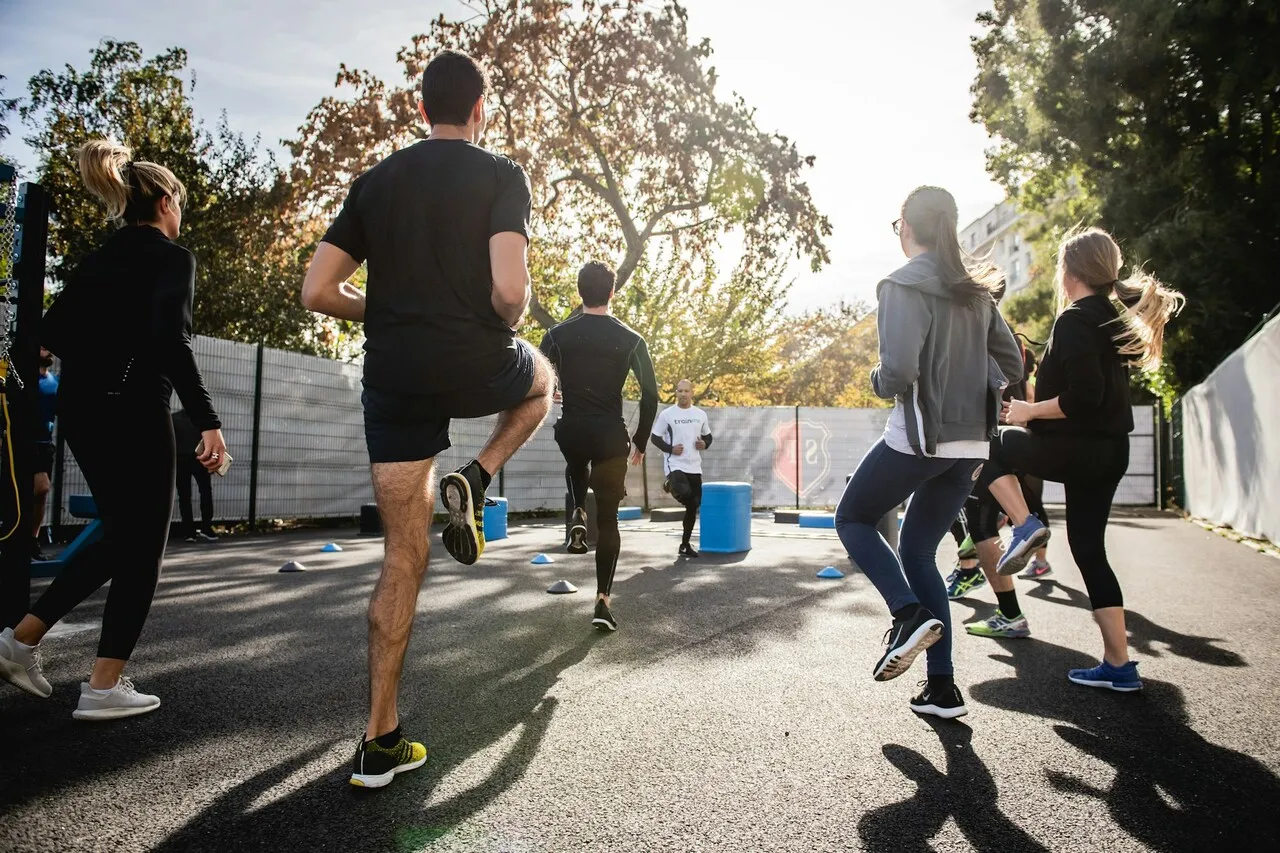
Another crucial advantage is the social component. Outdoor workouts or group workouts without equipment can enhance a sense of community. According to a study by Miller et al. (2020), individuals who regularly train in groups report higher motivation and better mental health.
Conclusion
Workouts without equipment offer an ideal combination of accessibility, effectiveness, and sustainability. They enhance physical fitness, strengthen mental health, and can be flexibly integrated into any daily routine. Scientific studies support their effectiveness, making them an attractive alternative or complement to traditional training methods. Whether you are just starting or looking to expand your routine – bodyweight training proves to be the perfect companion on the journey to a fitter and healthier life.
In summary, it can be stated that workouts without equipment are suitable for individuals of all ages and fitness levels. They are not only practical but also a long-term meaningful method of promoting health and well-being. Start today and experience the benefits for yourself!