1RM(ワンレップマックス)とは何か、そしてそれをどう計算するか?
トレーニングプログラムをより効果的にし、パフォーマンスを最大限に高めたいですか?それなら、1RM(ワンレップマックス)の概念に慣れておくべきです。1RMは、特定のエクササイズで1回だけ反復できる最大の重量を表し、あなたの力のピークを測定します。
記事を読むトレーニング
If you scroll through Instagram or TikTok, it almost feels absurdly normal:
20–25 sets of chest.
30 sets of back.
“One more burnout set to finish.”
And if you do less, the question immediately arises:
👉 “Am I even training hard enough?”
The truth is uncomfortable – but liberating:
A large portion of these sets is pure garbage.
They're known as junk sets.
A junk set is a training set that:
In short:
👉 Effort without return
These sets may feel "hard", they look brutal on camera –
but your body just reacts with: "Thanks, but unnecessary."
Many believe:
“If 10 sets are good, then 20 sets are twice as good.”
Unfortunately, the human body does not function linearly.
Muscle building follows the principle of diminishing returns:
Beyond a certain point, you're no longer training muscles,
but merely your fatigue.
A set very likely becomes a junk set if:
The muscle then gets no meaningful stimulus –
but the nervous system and recovery continue to suffer.
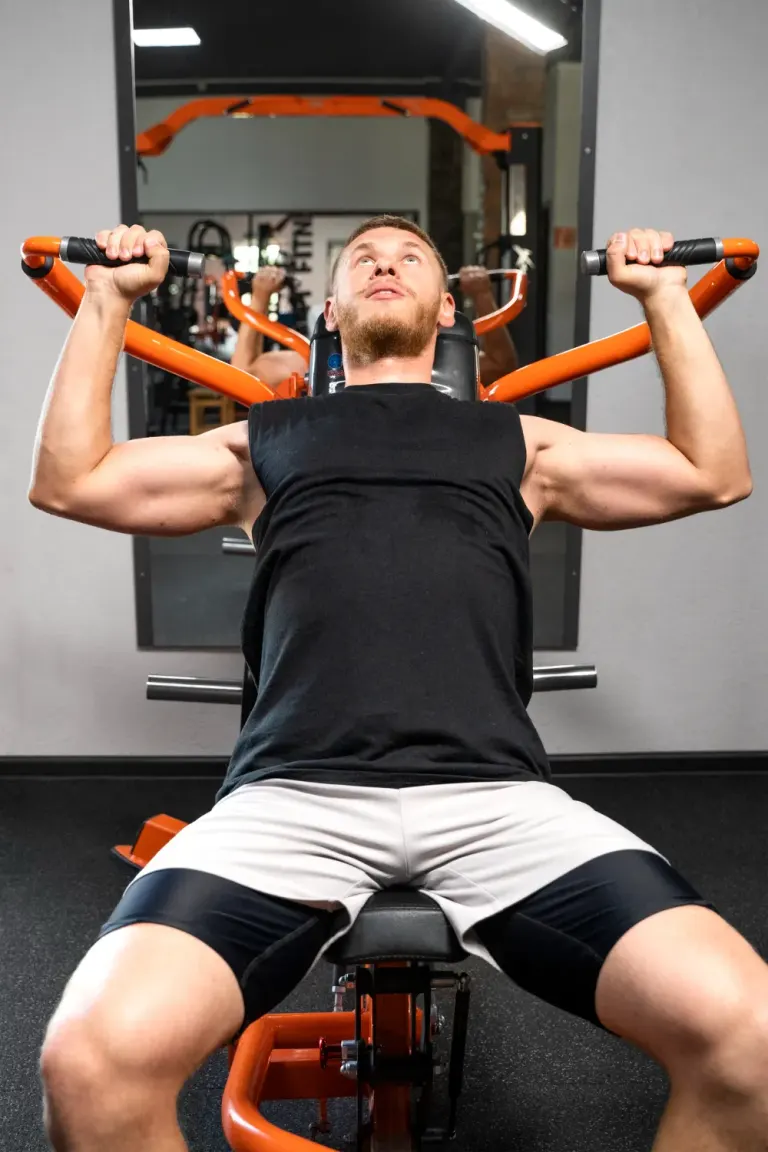
Influencers often show:
Why?
What you don't see:
👉 What works on social media doesn’t necessarily work for your body.
Studies show quite clearly:
very high volumes increase:
Cortisol, injury risk, overtraining, and performance plateaus.
More volume is no substitute for quality.
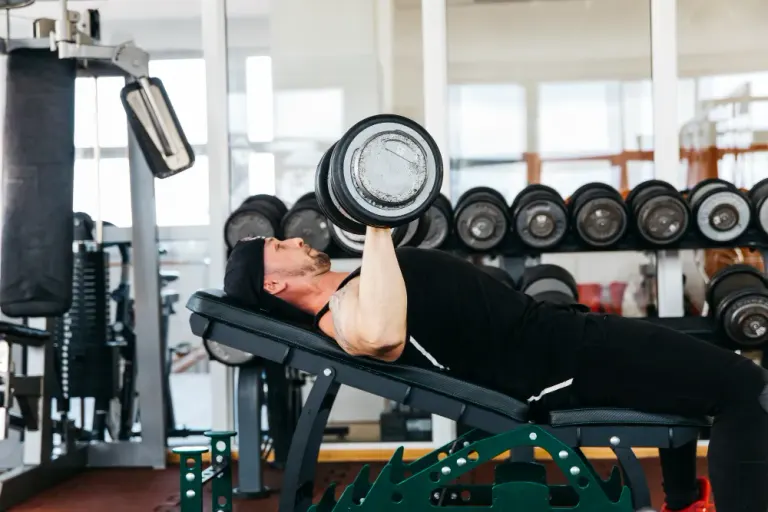
An effective set is:
5 such sets beat 15 half-hearted ones.
If after 12 sets, you think:
“I’ll do 5 more because it’s in the plan”
… then you’re not training for muscles,
but for your ego.

Many wonder:
And the reaction?
👉 Even more sets.
Often, the opposite is needed:
Fewer sets – better results.
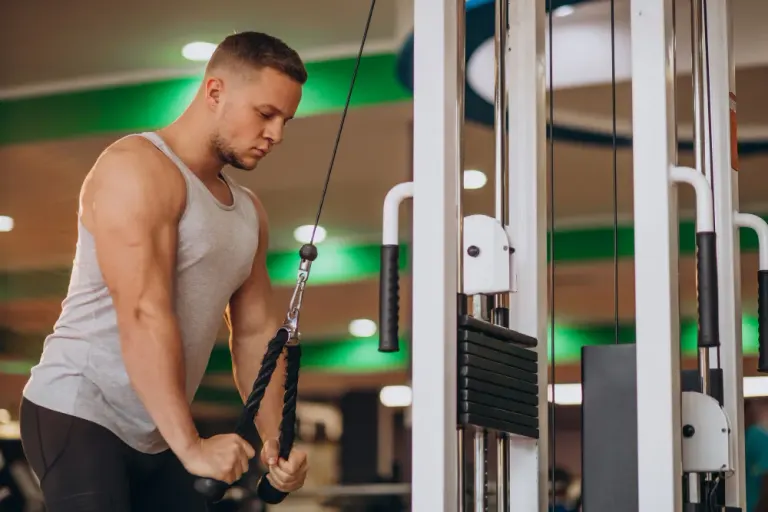
Ask yourself these questions honestly:
If progress is lacking, it’s almost never due to too few sets.
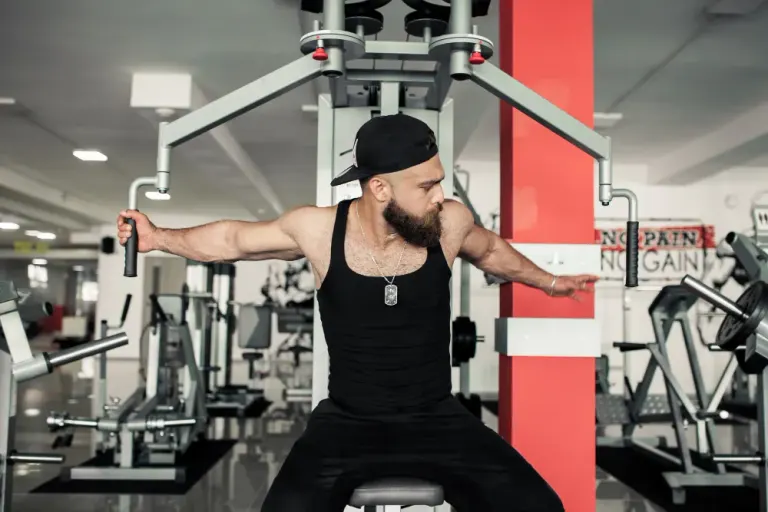
More training is not automatically better.
Better training is better.
Junk sets:
If you want to build muscle, train:
Your body doesn’t need a training marathon.
It needs clear, strong stimuli – and then recovery.
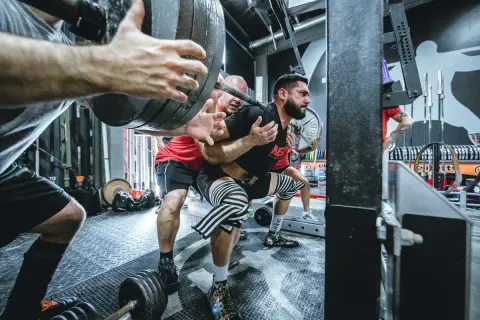
トレーニングプログラムをより効果的にし、パフォーマンスを最大限に高めたいですか?それなら、1RM(ワンレップマックス)の概念に慣れておくべきです。1RMは、特定のエクササイズで1回だけ反復できる最大の重量を表し、あなたの力のピークを測定します。
記事を読む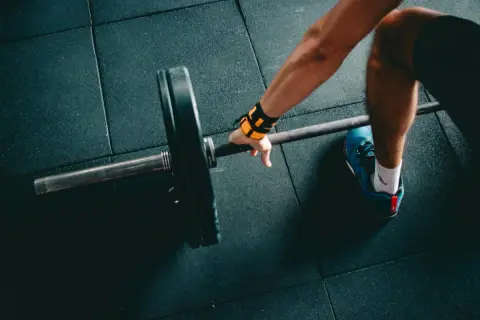
スポーツは健康的なライフスタイルの礎であり、多くの人にとって新しいスタートを告げています。このブログ記事では、初心者向けにステップバイステップのガイダンス、モチベーションの源、フィットネスの旅を始めるための成功のヒントを提供します。
記事を読む
このLISSトレーニングに関するブログでは、LISSとは何か、どのように機能するのか、誰に適しているのかを詳細に説明しています。脂肪燃焼、初心者に優しいこと、ストレス軽減といった利点と、時間がかかるといった欠点についても扱っています。さらに、HIITとの比較表、実用的なヒント、効果的なLISSトレーニングの例も含まれています。
記事を読む