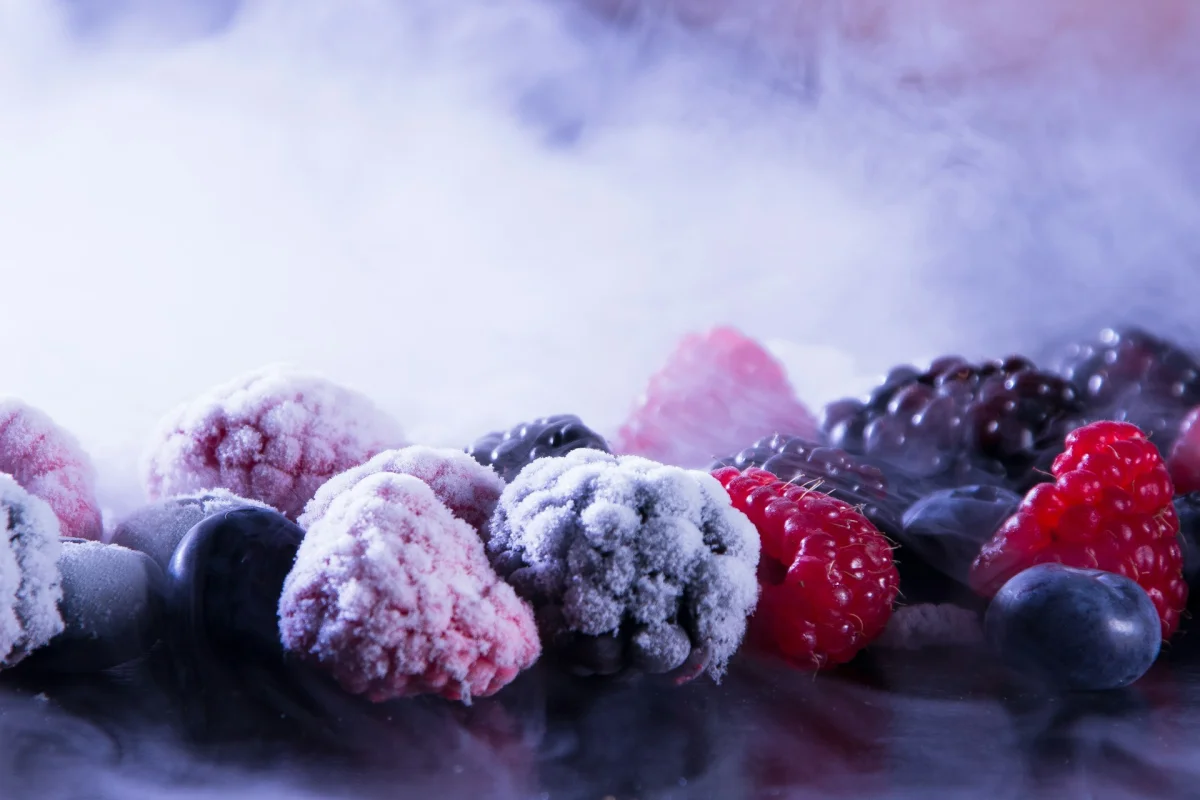
Frozen fruits are a polarizing subject. For some, they are a practical solution for daily life, while others regard them as a nutrient-poor alternative compared to fresh fruits. The persistent myth, particularly prevalent in sports, suggests that only fresh fruits are 'truly healthy.' But is this view accurate?
Especially for athletes, dietary choices are assessed not merely based on taste but on functionality, nutrient density, recovery support, practicality, and budget. This is where a rational perspective on frozen fruits, unmarred by prejudice, can be beneficial.
The Myth: Frozen = Less Healthy
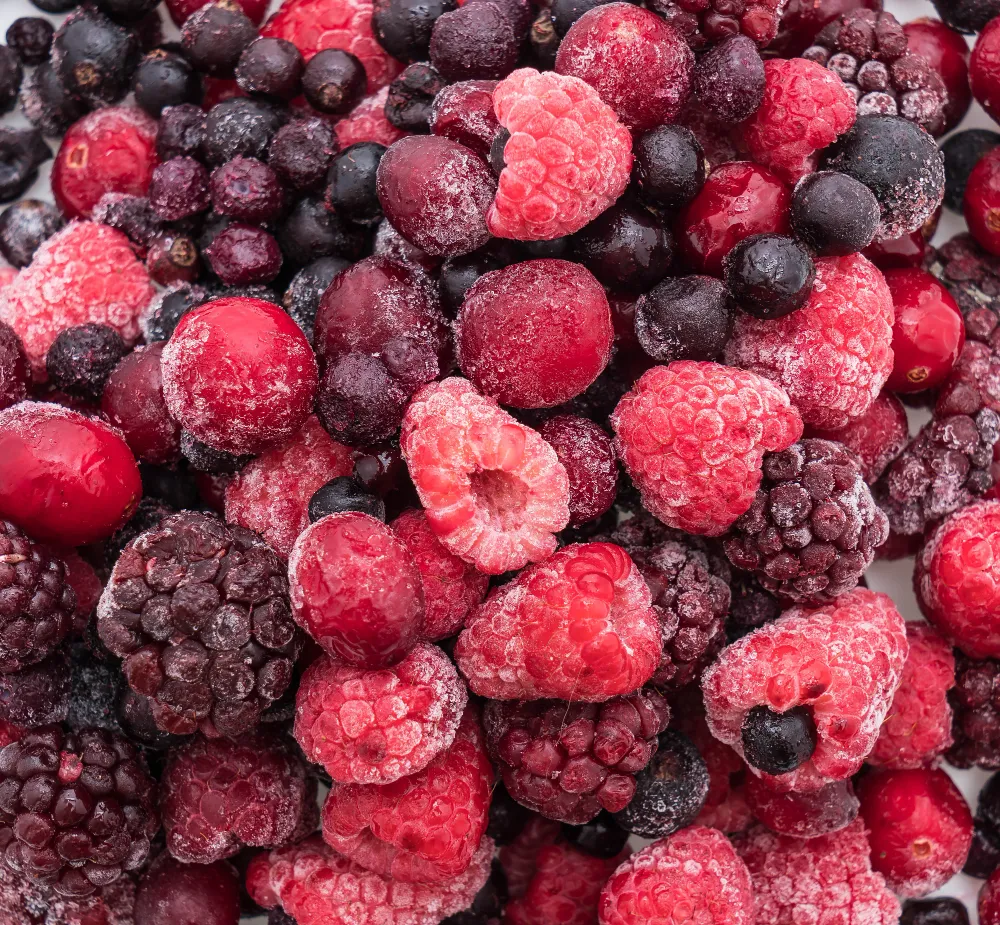
Many people automatically equate frozen fruits with inferior quality. The underlying belief is that freezing destroys vitamins, enzymes, and phytonutrients. In practice, however, the situation is considerably more nuanced.
Most fruits destined for the frozen market are processed immediately after harvest and flash-frozen within a few hours. This process almost completely stops enzymatic degradation. In contrast, fresh fruits steadily lose vitamins during transport, storage, and ripening in supermarkets—sometimes over several days or weeks.
For athletes, this implies: Frozen is not inherently worse—in many instances, it is even more stable.

What Really Happens During Flash Freezing
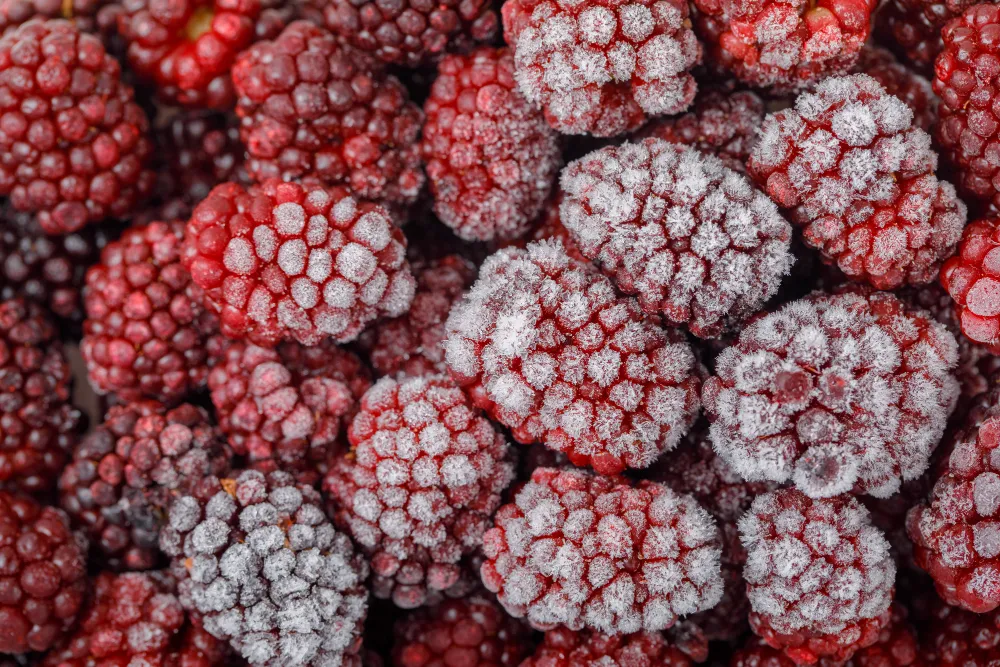
During flash freezing, fruits are rapidly frozen at extremely low temperatures, which results in the formation of small ice crystals that largely preserve the cell structure. Water-soluble vitamins, such as Vitamin C, are delicate yet largely retained with proper processing.
Phytochemicals such as polyphenols, flavonoids, or anthocyanins are considered particularly stable when frozen. These components are of particular interest to athletes, as they are associated with inflammation regulation, recovery, and cellular protection.

Frozen vs. Fresh – A Realistic Comparison
The critical question is not 'frozen or fresh,' but rather: under what conditions?
Freshly harvested, locally consumed fruits are virtually unbeatable in nutritional value. However, such ideal conditions are rare in daily life. Imported fruits often travel thousands of kilometers, ripen post-harvest, are stored, and lose measurable nutrients in the process.
Frozen fruits, on the other hand, offer the following benefits:
– Steady nutrient quality – Independent of season and origin – Long shelf life without preservatives – Easy portioning – Low food waste
For athletes with a structured diet, these are clear advantages.
Why Frozen Fruits Are Particularly Beneficial for Athletes
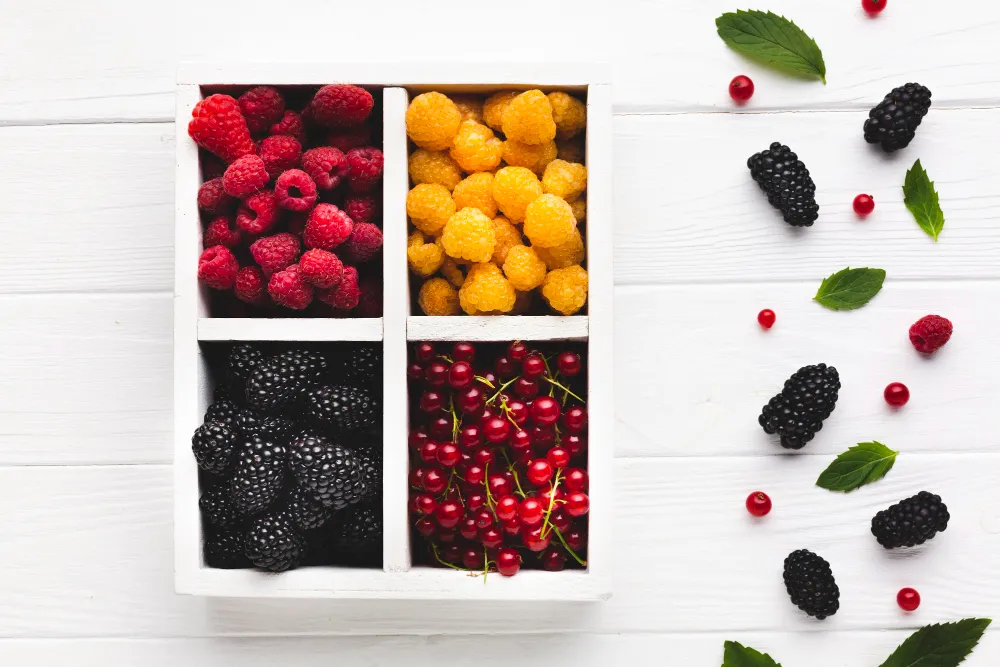
Sports impose specific demands on the body. Training induces oxidative stress, inflammation, and an increased need for micronutrients. Fruits provide precisely these substances—especially antioxidants, vitamins, and minerals.
Frozen fruits enable the regular and planned intake of these nutrients, independent of the season or shopping intervals. This consistency is crucial, particularly during high training volumes or diet phases.
Examples of Typical Frozen Fruits in Sports
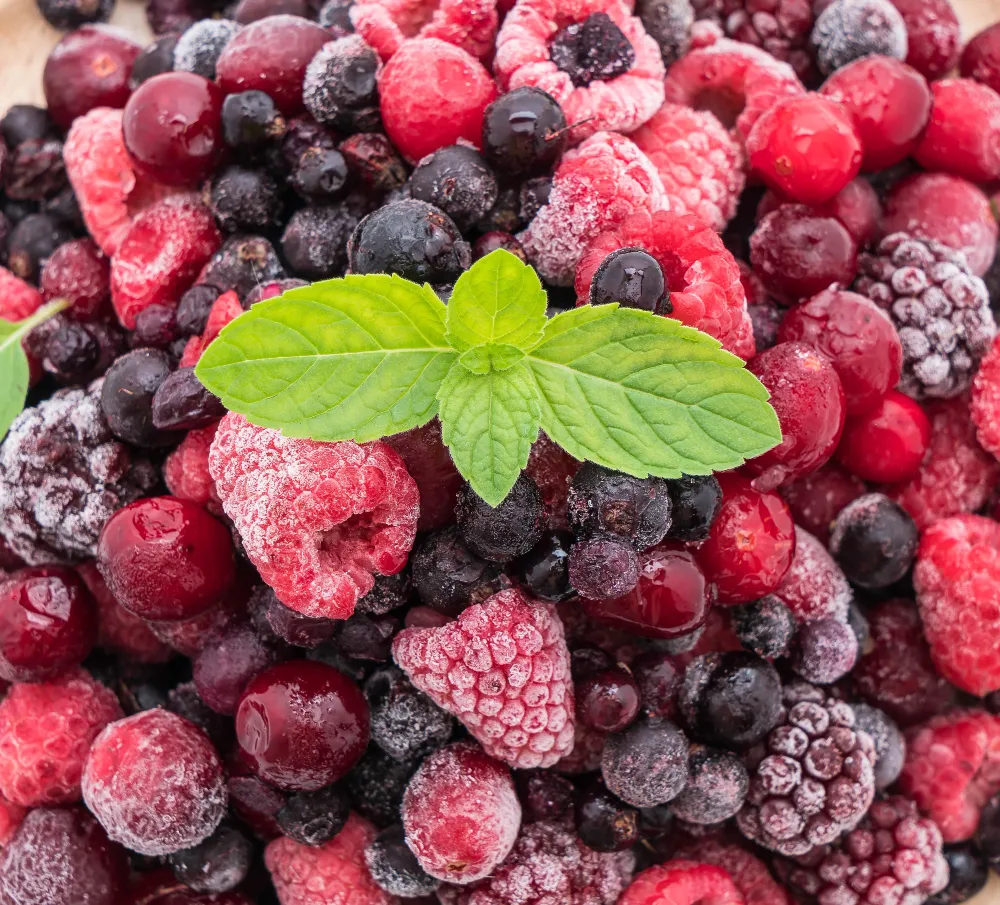
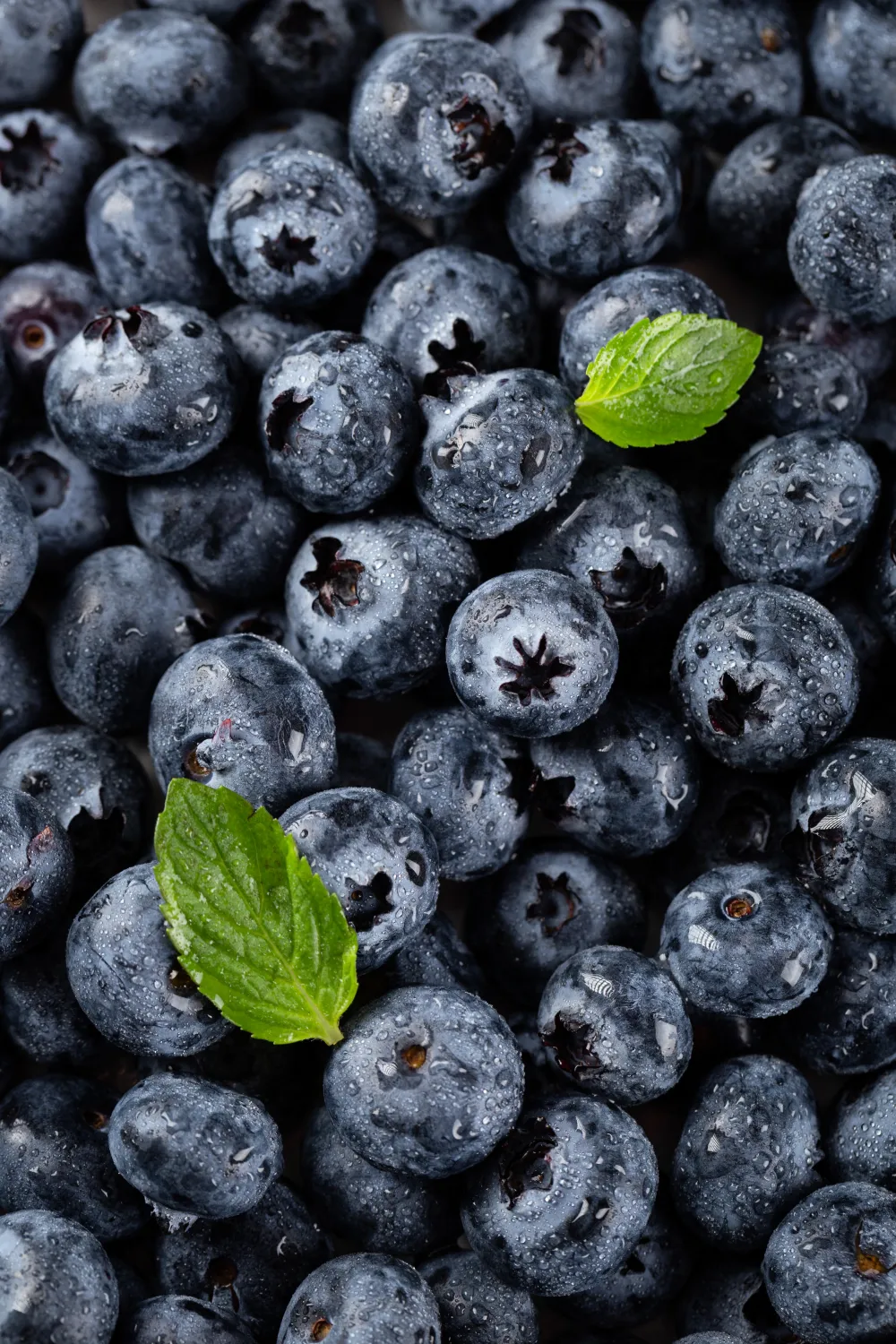
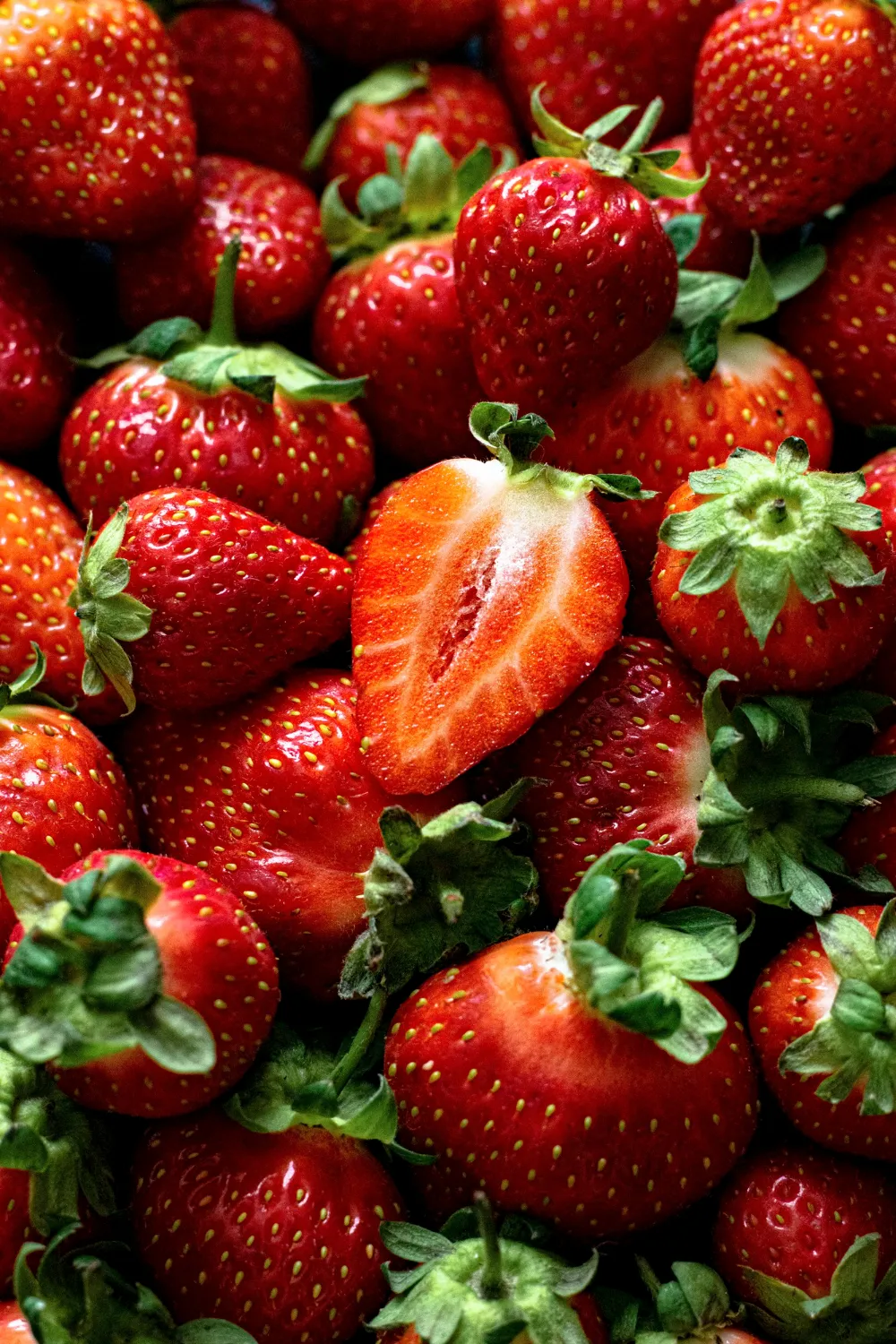
Berries such as blueberries, raspberries, or strawberries are often in the spotlight, but other frozen fruits are also relevant for athletes.
Bananas provide readily available carbohydrates and potassium, mango and pineapple contain enzymes and Vitamin C, and cherries are linked to improved recovery and sleep quality. Blends of various fruits significantly increase the range of phytonutrients.
The key is not the individual 'superfruit,' but the diversity.
Use in Everyday Training
Frozen fruits offer flexible use. Before training, they provide easily digestible carbohydrates, and after training, they support recovery and the immune system. On rest days, they help maintain micronutrient intake without unnecessarily increasing calories.
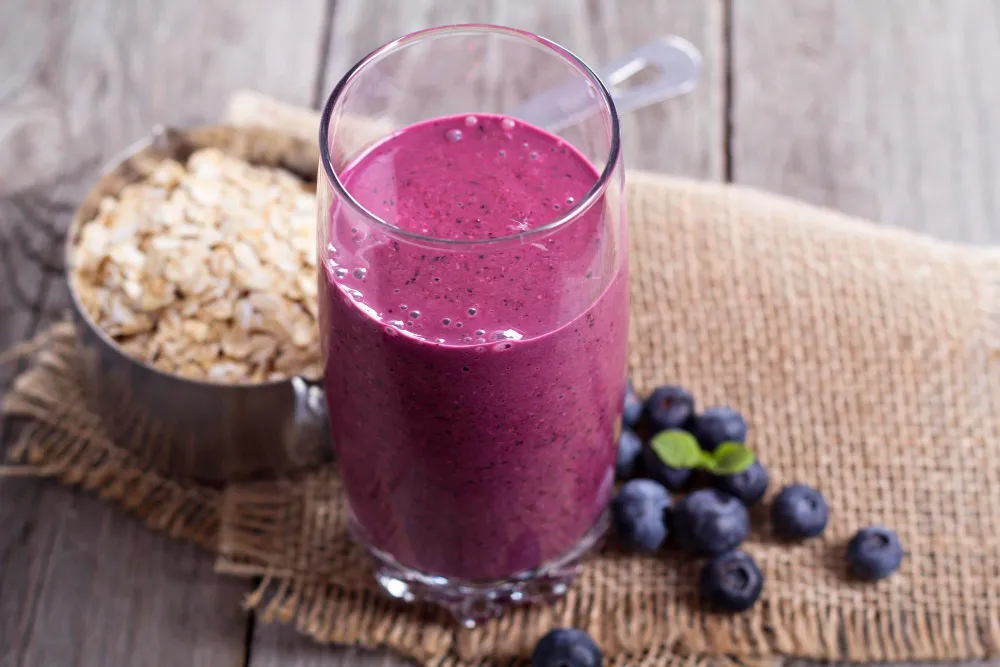
They are especially convenient for athletes with little appetite or a tight schedule, as they can be effortlessly integrated into shakes, bowls, or curd dishes.
Frozen vs. Fresh Fruits in Sports
| Criterion | Frozen Fruits | Fresh Fruits |
|---|---|---|
| Nutrient Content | Very stable due to flash freezing immediately post-harvest | Depends on transport, storage, and ripeness |
| Vitamin C Retention | High with correct storage | Can decrease significantly during storage |
| Antioxidants | Mostly retained | Varies by freshness and origin |
| Seasonal Availability | Available year-round | Highly seasonal |
| Practicality | Very high (long shelf life, easy to portion) | Limited (spoils quickly) |
| Cost | Often cheaper out of season | More expensive out of season |
| Food Waste | Low | Higher due to spoilage |
| Taste & Texture | Softer when thawed | Fresher, crisper |
| Suitability for Athletes | Ideal for shakes, bowls, recovery | Ideal raw, eaten directly |
Are There Disadvantages to Frozen Fruits?
Frozen fruits are not a universal remedy. Industrially sweetened mixes, fruit preparations, or products with syrup additions lose their health value. Additionally, improper thawing can lead to a loss of texture, though this is primarily a sensory issue.
From a nutritional standpoint, the ingredients list is crucial: 100% fruit remains 100% fruit—whether fresh or frozen.

Frozen or Fresh – Which Is the Better Choice?
The honest answer is: both. Those with access to fresh, ripe, local fruits should certainly take advantage of them. However, those who value planning, nutrient stability, and practicality will find frozen fruits to be an equally good choice.
For athletes, consistency—not ideology—is essential. This is where frozen fruits demonstrate their strength.
Conclusion
Frozen fruits are not an inferior substitute but a legitimate component of an athlete's diet. They refute the myth that only fresh fruits are healthy and offer practical, nutrient-rich, and reliable benefits for active individuals. By utilizing them strategically, one can effectively support performance, recovery, and long-term health.