El poder del colágeno: Lo que necesitas saber
El colágeno es una proteína vital en el cuerpo, que representa aproximadamente el 30 % de la proteína total. Desempeña un papel crucial en la estructura de la piel, los huesos,…
Leer artículoSuplemento
Pocos suplementos alimenticios han sido tan exhaustivamente estudiados en el ámbito de la ciencia del deporte como la creatina. Al mismo tiempo, hay pocos suplementos sobre los cuales circulan tantos mitos y promesas exageradas en internet.
En las redes sociales, la creatina a veces se presenta como indispensable para cualquier persona que practique deporte, mientras otros la consideran un suplemento interesante exclusivamente para culturistas.
Ambas visiones son simplistas.
El estado actual de la investigación indica que la creatina puede ser especialmente relevante en entrenamientos de fuerza, actividades cortas e intensas y en el crecimiento o mantenimiento de la masa muscular. Sin embargo, el beneficio real depende de quién consume creatina, qué tipo de entrenamiento se realiza y qué objetivos se persiguen.
Resulta especialmente interesante que la investigación se esté enfocando más en grupos que en estudios anteriores estaban menos considerados, como las mujeres y los adultos mayores.

La creatina es una sustancia propia del cuerpo que se almacena principalmente en los músculos. El cuerpo puede producir creatina por sí mismo, además de obtenerla de ciertos alimentos como la carne y el pescado.
En los músculos, una gran parte de la creatina se almacena en forma de fosfocreatina.
Este sistema desempeña un papel crucial en la rápida disponibilidad de energía.
Durante un esfuerzo corto e intenso, el cuerpo necesita ATP de manera rápida. El ATP es la fuente inmediata de energía para las contracciones musculares. Sin embargo, los almacenes de ATP son muy pequeños.
La fosfocreatina ayuda a regenerar el ATP rápidamente.
Esto es especialmente importante en esfuerzos donde se requiere un alto rendimiento en un corto período de tiempo.
Estos incluyen:
Aquí radica una de las principales razones por las cuales la creatina es tan interesante en el deporte.
Es importante distinguir entre la publicidad y los resultados científicos.
La creatina no construye músculo directamente.
El efecto más importante es que la creatina puede apoyar el rendimiento en ciertos esfuerzos intensos. Esto puede permitir un mayor volumen de trabajo de entrenamiento a largo plazo.
Y precisamente esta calidad de entrenamiento adicional puede llevar a mejores adaptaciones junto con un entrenamiento de fuerza regular.
Un metanálisis extenso de 2025 investigó 61 estudios controlados con un total de 1.457 participantes. En combinación con entrenamiento de fuerza, la creatina aumentó la masa magra en promedio en aproximadamente 1,39 kg en comparación con el placebo. Al mismo tiempo, el peso corporal aumentó en promedio en aproximadamente 0,89 kg. No se observaron cambios significativos en la masa grasa ni en el porcentaje de grasa corporal.
También es interesante notar que tanto los principiantes como los atletas de fuerza experimentados pudieron beneficiarse de la creatina.
No significa, sin embargo, que cada persona desarrolle automáticamente 1,39 kg de nueva masa muscular.
Los resultados de los metaanálisis son valores promedio. Las reacciones individuales pueden variar significativamente.

También en el rendimiento de fuerza, las investigaciones científicas muestran un efecto positivo.
Un metanálisis en adultos menores de 50 años investigó la creatina en combinación con el entrenamiento de fuerza y encontró mejoras adicionales tanto en la fuerza del tren superior como del inferior. La mejora adicional promedio fue de aproximadamente 4,43 kg para la fuerza del tren superior y 11,35 kg para la fuerza del tren inferior, aunque estos valores no significan que cada ejercicio individual se fortalezca exactamente en esa magnitud.
El punto crucial no es:
"La creatina me hace inmediatamente mucho más fuerte."
En cambio, se trata de un posible pequeño beneficio en esfuerzos intensos repetidos.
Si alguien, por ejemplo, entrena regularmente durante meses y, gracias a la creatina, puede manejar algo más de volumen de entrenamiento o rendimiento, estas pequeñas diferencias pueden sumar a largo plazo.

Desplázate lateralmente si es necesario para ver todas las columnas.
| Área | Estado actual de la investigación | Significado |
|---|---|---|
| Entrenamiento de fuerza | Posibles mejoras adicionales de fuerza | Bien documentado |
| Masa muscular | Más masa magra junto con entrenamiento de fuerza | Bien documentado |
| Esfuerzos de alta intensidad | Puede apoyar el rendimiento | Bien documentado |
| Peso corporal | Puede aumentar ligeramente, en parte debido al agua en la musculatura | Bien documentado |
| Pérdida de grasa | No es un quemador de grasa clásico | No es el principal beneficio |
| Mujeres | Interesante, pero aún con pocos datos | Continuar investigando |
| Personas mayores | Ventajas posibles para la fuerza y la masa magra | Cada vez mejor documentado |
| Cerebro/Cognición | Potencialmente interesante, pero aún no concluyente | Aún abierto |
| Riñones | Datos actuales en personas sanas son tranquilizadores en general | Mayormente positivo |
Una de las preguntas más frecuentes es:
"¿La creatina engorda?"
La respuesta no es simplemente sí o no.
La creatina puede hacer que aumente el peso corporal. Especialmente al principio, puede almacenar más agua dentro de la musculatura.
Esto es diferente a un aumento de grasa corporal.
A largo plazo, la combinación de creatina y entrenamiento de fuerza puede llevar a un mayor aumento de masa magra.
El importante metanálisis de 2025 mostró, por ejemplo, un aumento promedio de la masa magra de 1,39 kg, sin un aumento significativo en la masa grasa.
Por lo tanto, quien pese un poco más en la balanza tras empezar a tomar creatina, no debería asumir automáticamente que ha ganado grasa.

Una fase clásica de carga de creatina consiste a menudo en aproximadamente 20 g al día, divididos en varias porciones, durante unos cinco a siete días.
Después, normalmente sigue una dosis diaria de mantenimiento más baja.
La ventaja de una fase de carga es principalmente que los depósitos de creatina se llenan más rápidamente.
No obstante, no es necesaria.
Una ingesta regular de alrededor de 3–5 g de creatina al día también puede aumentar las reservas, solo que lleva más tiempo.
Para muchas personas, por lo tanto, la variante sencilla es más práctica:
Tomar una cantidad constante todos los días en lugar de una fase de carga complicada.
Para el uso a largo plazo, la regularidad es más importante que un marco temporal específico de ingesta.
¿Antes del entrenamiento?
¿Después del entrenamiento?
¿Por la mañana?
¿Por la noche?
Existen muchos mitos sobre el momento adecuado para tomar creatina.
Para el efecto a largo plazo, el momento exacto de la ingesta probablemente sea mucho menos significativo que su consumo regular.
La creatina no actúa como un suplemento pre-entrenamiento clásico que se toma justo antes del entrenamiento y se siente inmediatamente un fuerte efecto.
El efecto se basa principalmente en el aumento a largo plazo de los depósitos de creatina en los músculos.
Por lo tanto, la creatina se puede tomar en el momento que mejor se adapte a la vida cotidiana.
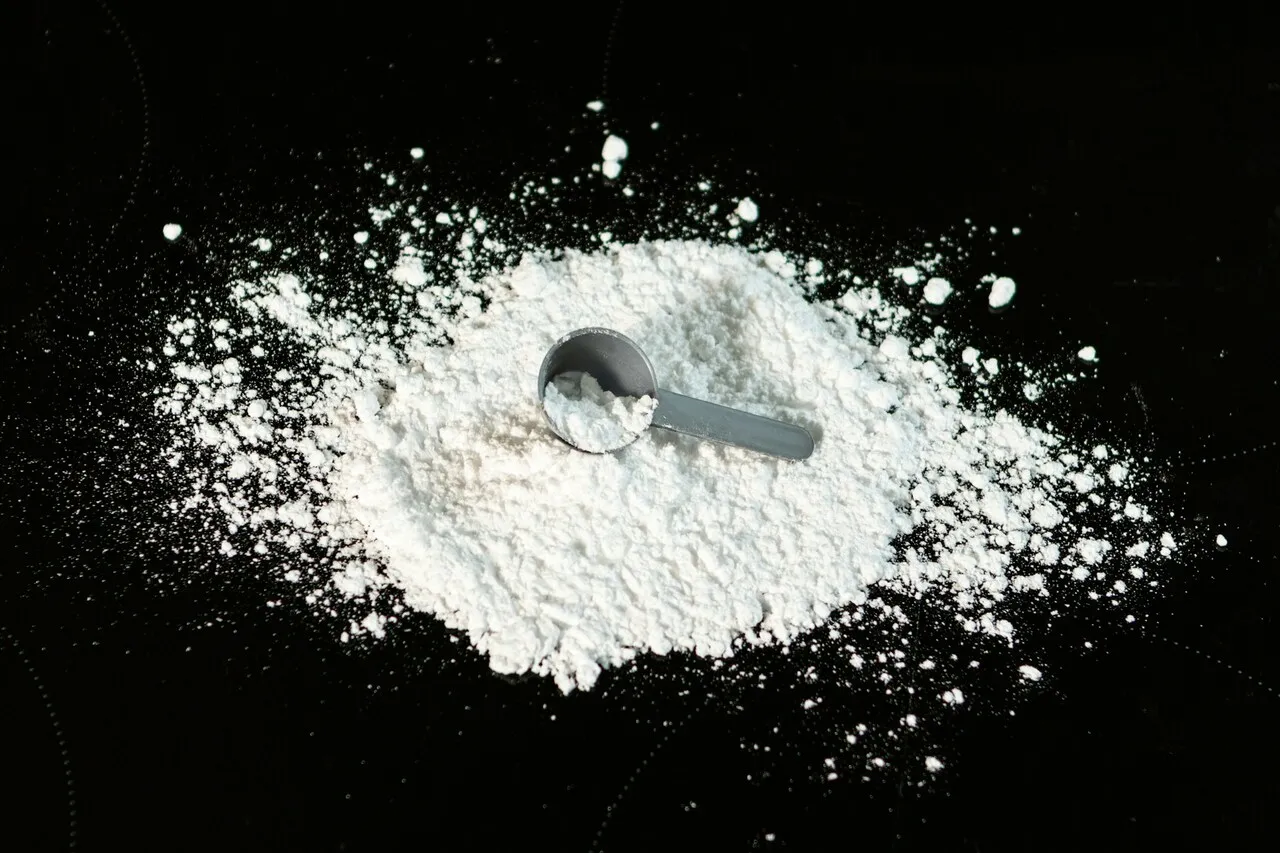
La investigación sobre la creatina ha estado dominada por participantes masculinos durante mucho tiempo.
Esto está cambiando gradualmente.
En las mujeres, los resultados hasta ahora son menos concluyentes que en los hombres. Pero eso no significa que la creatina no funcione en mujeres.
Más bien, hay menos estudios de alta calidad y a veces grupos de entrenamiento y participantes muy diferentes.
La investigación en mujeres posmenopáusicas es especialmente interesante.
Con el envejecimiento, el mantenimiento de la masa muscular y la fuerza se vuelve más importante. Un metanálisis reciente de 2026 investigó la creatina en mujeres posmenopáusicas y sugiere que la creatina, especialmente en combinación con el entrenamiento de fuerza, puede tener beneficios en la masa magra y en ciertos rendimientos de fuerza.
Los resultados sobre la densidad ósea, sin embargo, no fueron concluyentes.
De esta manera, la creatina se estudia cada vez más en relación con el envejecimiento saludable en mujeres.

La masa muscular y la fuerza tienden a disminuir con la edad.
Este proceso puede influir a largo plazo en la capacidad física y la independencia.
El entrenamiento de fuerza es, por lo tanto, una de las estrategias más importantes para preservar la fuerza muscular y la masa muscular en la vejez.
La creatina podría representar un apoyo adicional en este proceso.
Un metanálisis publicado a finales de 2025 investigó ocho estudios aleatorizados con un total de 482 participantes mayores. La creatina en combinación con el entrenamiento de fuerza resultó en comparaciones con el entrenamiento de fuerza solo en mejoras en la fuerza de las extremidades inferiores y en la masa de tejido magro.
Esto hace que la creatina sea particularmente interesante para las personas mayores.
Pero un punto sigue siendo decisivo:
La creatina no reemplaza al entrenamiento de fuerza.
El enfoque más sensato es la combinación de:
Entrenamiento de fuerza + nutrición adecuada + suficiente proteína + creatina
y no la creatina en lugar del entrenamiento.

En los últimos años, una nueva área de investigación sobre la creatina ha ganado popularidad: el cerebro.
Pues el cerebro también necesita grandes cantidades de energía. La creatina también participa en el metabolismo energético del cerebro.
Algunas investigaciones científicas han encontrado indicios de que la creatina podría apoyar ciertas funciones cognitivas.
Esto suena interesante, pero aquí debería ser particularmente cauteloso con las afirmaciones en las redes sociales.
La investigación aún no es lo suficientemente concluyente para afirmar:
"La creatina te hace más inteligente".
Más científicamente riguroso sería:
La creatina podría, bajo ciertas condiciones, apoyar ciertas funciones cognitivas, pero la investigación actual aún no es suficiente para recomendarla como un medio general para mejorar el rendimiento mental.
Por lo tanto, este tema sigue siendo muy interesante para los próximos años.

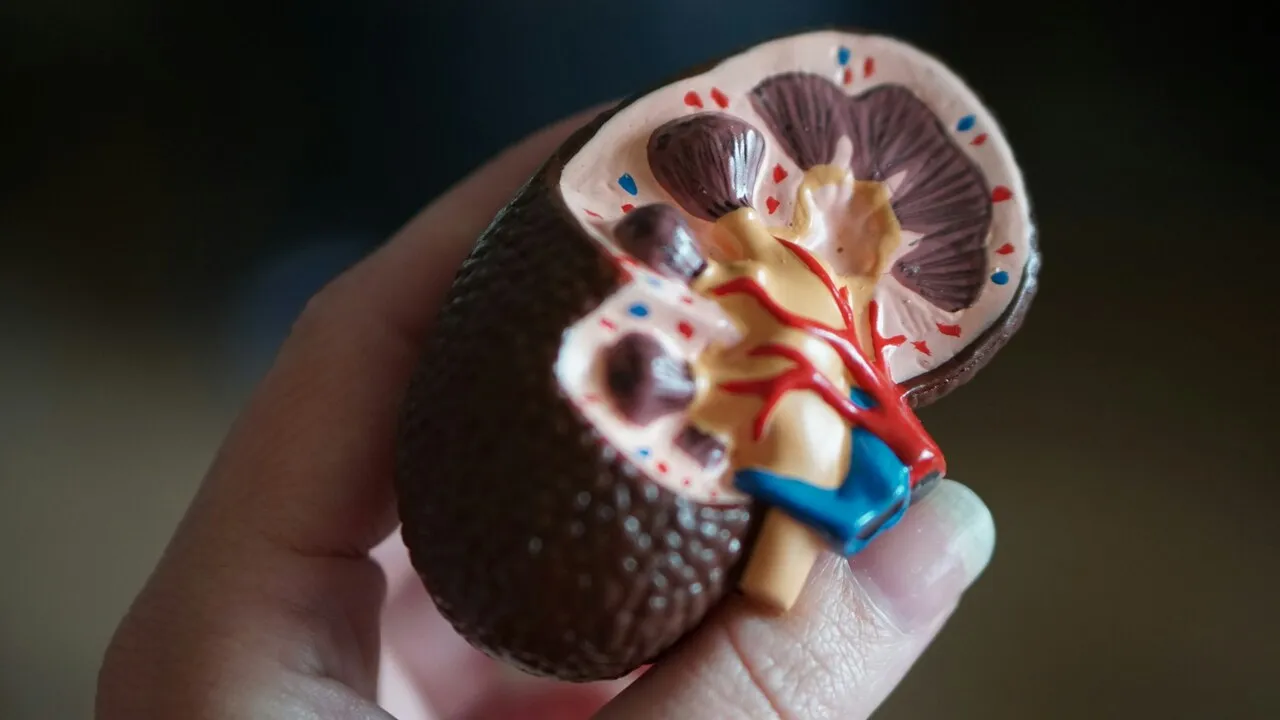
Casi ningún tema provoca tanta discusión en torno a la creatina como la salud renal.
Parte de la confusión surge del hecho de que la creatina puede influir en el nivel de creatinina en sangre.
La creatinina se utiliza con frecuencia para evaluar la función renal. Por lo tanto, un nivel elevado de creatinina no significa automáticamente que los riñones hayan sido dañados.
Los datos científicos actuales son, en general, tranquilizadores para los adultos sanos.
No obstante, es importante distinguir entre un valor de laboratorio alterado y un deterioro real de la función renal.
Las personas con una enfermedad renal existente u otros problemas de salud deben consultar a un médico antes de tomar creatina.
Aunque los datos hasta ahora son positivos, no hay datos a muy largo plazo de alcance igual para todos los grupos de personas.
Si se ocupa de la creatina en 2026, encontrará numerosos productos:
Creatina monohidrato, creatina-HCL, creatina tamponada, mezclas de creatina y muchas otras variantes.
La pregunta más importante es, por lo tanto:
¿Debe ser la forma más cara también la mejor?
No.
La creatina monohidrato es la forma más estudiada y sigue siendo para la mayoría de las personas la elección más razonable.
Muchas variantes especiales de creatina se promocionan como de mejor absorción o mayor eficacia. Sin embargo, no tienen la misma amplia base de datos científicos que la creatina monohidrato.
Un producto simple con creatina monohidrato es suficiente para la mayoría de los usuarios.
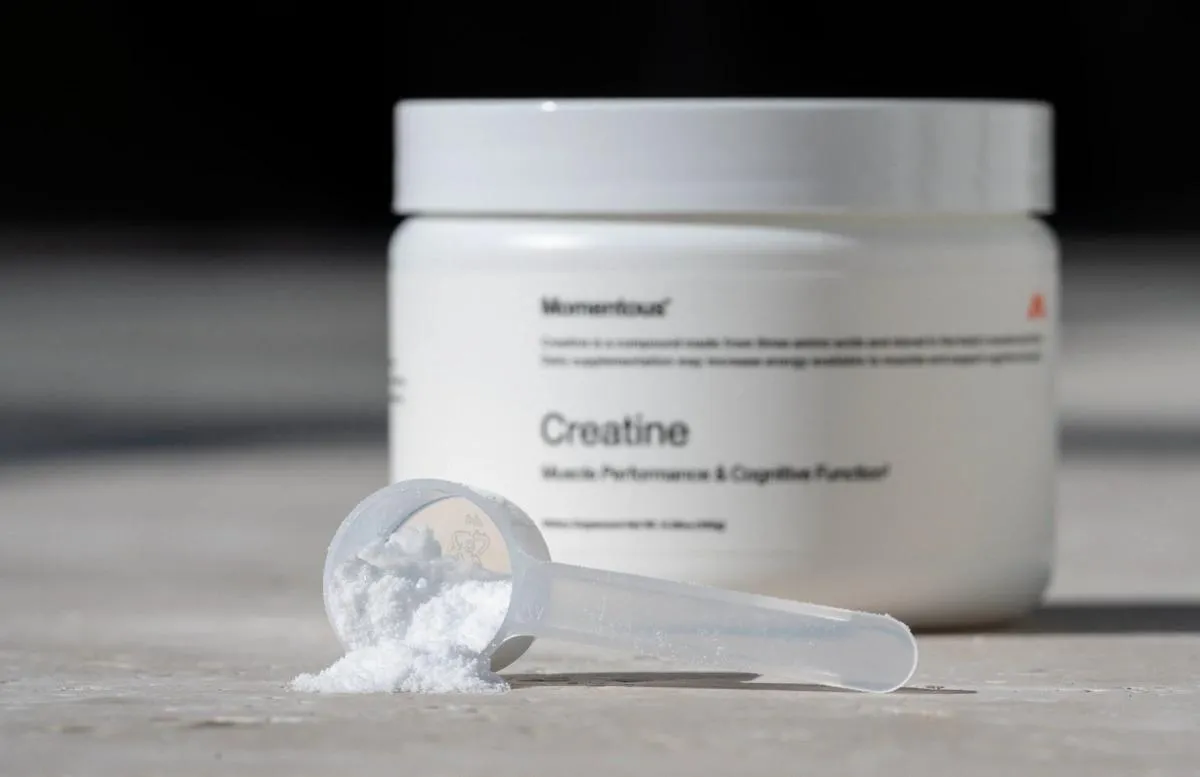
Para la ingesta a largo plazo, comúnmente se recomienda aproximadamente 3–5 g al día.
Una fase de carga es opcional.
También es importante no creer que una dosis más alta lleva automáticamente a mejores resultados.
Más no siempre es mejor.
Para la mayoría de los adultos sanos, una ingesta diaria simple tiene más sentido que estrategias de dosificación complicadas.
Quienes tengan una enfermedad existente, tomen medicamentos o tengan dudas sobre su salud deben discutir la ingesta con profesionales médicos.
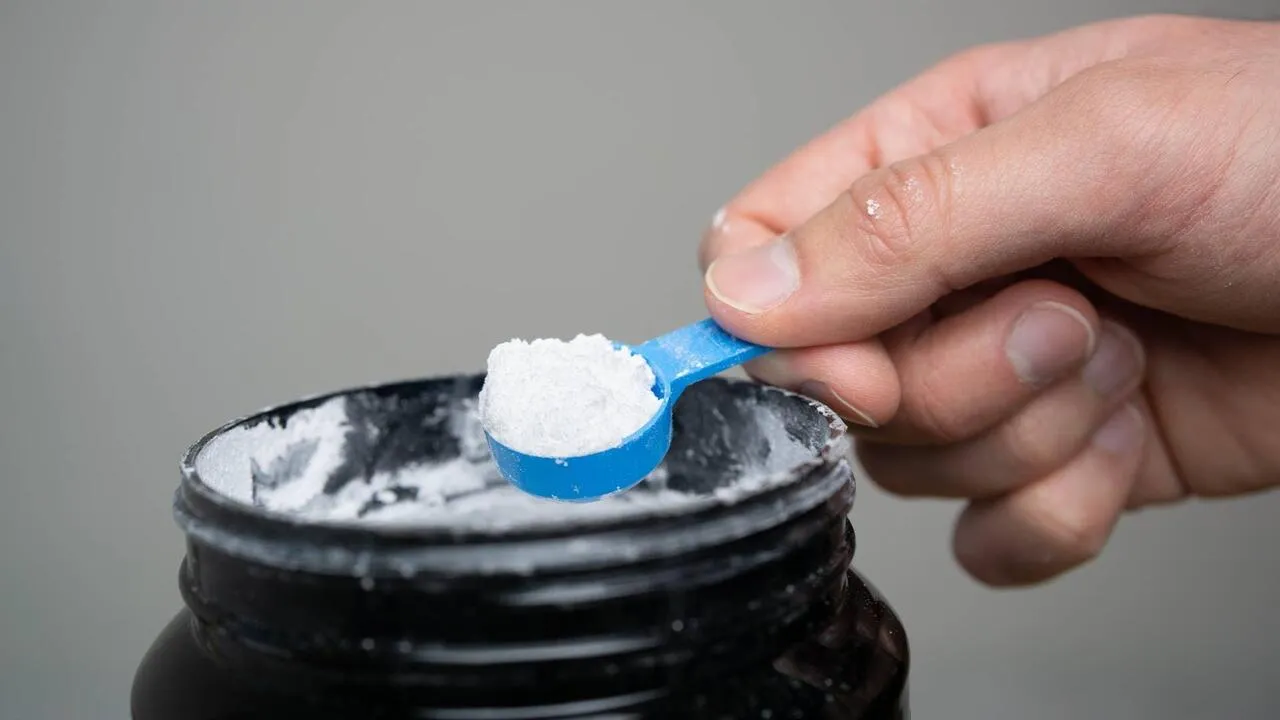
La creatina es especialmente interesante para las personas que practican entrenamiento de fuerza regularmente.
También los deportistas con esfuerzos repetidos cortos e intensos pueden beneficiarse.
Estos incluyen, por ejemplo:
Los adultos mayores también se están convirtiendo en un grupo de interés especial, especialmente cuando la creatina se combina con el entrenamiento de fuerza.
En relación con las mujeres, la investigación también está creciendo, aunque la cantidad de datos aún no es tan vasta como para los hombres.

No todas las personas necesitan creatina.
Quienes no practican ningún deporte no tienen por qué suplementarse automáticamente con creatina.
Tampoco en quienes realicen exclusivamente actividades de resistencia largas y moderadas es imprescindible la creatina.
Y lo más importante:
Si el entrenamiento, la nutrición y el sueño no están en orden, la creatina no debería ser la prioridad.
Ningún suplemento dietético puede reemplazar una mala planificación de entrenamiento.

De acuerdo con el estado actual de la investigación, la creatina puede considerarse de manera bastante objetiva.
No es un milagro.
Tampoco es completamente inútil.
La creatina es uno de los suplementos dietéticos que cuentan con una base de datos científicos excepcionalmente amplia.
Los argumentos más sólidos permanecen en los campos de:
Rendimiento de fuerza + esfuerzos de alta intensidad + masa magra + entrenamiento de fuerza
Además, se está desarrollando la investigación en las áreas de:
Mujeres + envejecimiento saludable + conservación de músculo + posibles efectos cognitivos
Al mismo tiempo, no se deben ignorar las limitaciones de la investigación.
No todas las personas responden con la misma intensidad. Los resultados en mujeres son aún menos concluyentes que en hombres. Y en cuanto a los posibles efectos en el cerebro, todavía se necesitan más estudios de alta calidad.

La creatina no es un milagro en 2026, pero es uno de los suplementos mejor investigados en el ámbito del deporte.
Quienes practican entrenamiento de fuerza regularmente pueden beneficiarse de la creatina. La investigación muestra principalmente ventajas adicionales en el rendimiento de fuerza y en la masa magra. Un metanálisis extenso con 61 estudios encontró, por ejemplo, en promedio aproximadamente 1,39 kg más de masa magra con creatina combinada con entrenamiento de fuerza.
Especialmente interesante es la creciente investigación en personas mayores. Aquí, la creatina junto con el entrenamiento de fuerza pueden contribuir a apoyar la fuerza y la masa magra.
La investigación también avanza en el área de las mujeres. En particular, en relación con el envejecimiento, la creatina podría jugar un papel más importante en el futuro.
Sin embargo, los posibles efectos en el rendimiento cognitivo aún no son lo suficientemente concluyentes como para considerar la creatina como un "suplemento cerebral" general.
Por lo tanto, el principal hallazgo sigue siendo:
La creatina no reemplaza un buen entrenamiento, una alimentación equilibrada y un sueño adecuado. Sin embargo, puede complementar estas bases de manera útil.
Para la mayoría de las personas que desean usar creatina, el monohidrato de creatina con aproximadamente 3-5 g diarios sigue siendo la variante sencilla y científicamente bien investigada.

El colágeno es una proteína vital en el cuerpo, que representa aproximadamente el 30 % de la proteína total. Desempeña un papel crucial en la estructura de la piel, los huesos,…
Leer artículo
Este blog muestra qué combinaciones de suplementos tienen verdadero sentido – desde Proteína + Creatina hasta D3 + K2 y Magnesio + Zinc. A través de estudios científicos,…
Leer artículo
Ashwagandha, también conocido como ginseng indio, es una hierba medicinal milenaria del Ayurveda que proporciona beneficios modernos respaldados científicamente. Desde la gestión…
Leer artículo